

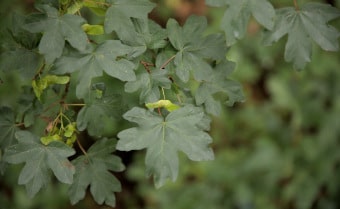
Field Maple
Acer campestre
From £0.67 Ex. VAT
In Stock
Create a professional native hedgerow planting specification, save it for later, download it as a PDF to support your grant application, or add the complete planting scheme directly to your shopping cart.
Native hedgerows are among the most valuable habitats in the British countryside. They provide stock-proof field boundaries, shelter for livestock, food and nesting sites for wildlife, help reduce soil erosion, improve biodiversity and store carbon. A well-planned native hedge also enhances the character of the local landscape and can remain an asset for generations.
Whether you are creating a new field boundary, restoring a traditional hedge or applying for a countryside grant, choosing the right combination of native species is one of the most important decisions. The best hedgerows reflect the local landscape, support a wide range of wildlife and are composed of species naturally suited to the site.
Most native hedgerows are planted during the dormant season between 1 November and 31 March, but successful establishment begins much earlier. Summer and autumn are the ideal time to prepare the ground, decide on the planting mix, apply for grants where appropriate and reserve planting stock before the planting season begins.
Many native trees and shrubs are grown in limited numbers each year, so planning ahead helps ensure that the species you require are available when planting starts.
Current Countryside Stewardship options BN7 and BN11 encourage the planting of native hedgerows that reflect the local landscape. In most situations the planting mix should be dominated by one principal species, typically Hawthorn, Blackthorn or Hazel, with a range of additional native shrubs and occasional trees incorporated throughout the hedge to improve structural diversity and wildlife value.
Although individual grant requirements may vary, the underlying principles remain the same: use appropriate native species, create a diverse hedgerow and establish it during the recognised planting season.
Our Native Hedgerow Planner helps you design an appropriate planting scheme and calculate exactly how many plants you will need. Using your location, site conditions and planting objectives, it recommends suitable native species and produces a complete planting specification that can be saved, downloaded as a PDF or added directly to your shopping cart.
Recommendations are based on the species naturally associated with your locality and landscape, rather than simply those still surviving there today. Many native species have disappeared locally through woodland clearance, intensive agriculture or disease. Where appropriate, the planner recommends restoring these species while excluding plants that are not considered naturally native to your area.
Recommended Single-species Hedges
In Stock
In Stock
Out of Stock
In Stock
Out of Stock
Out of Stock
In Stock
In Stock
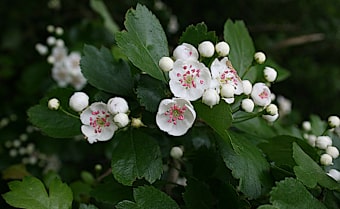
Out of Stock
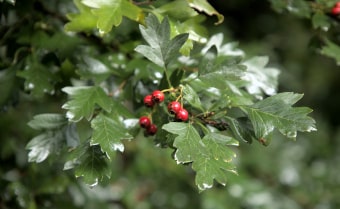
In Stock
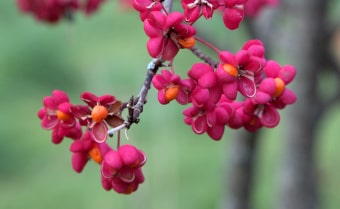
Out of Stock
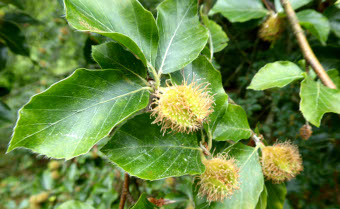
Out of Stock
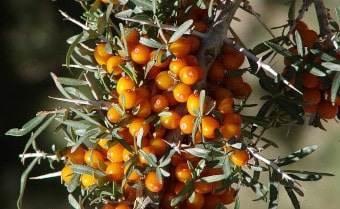
Out of Stock
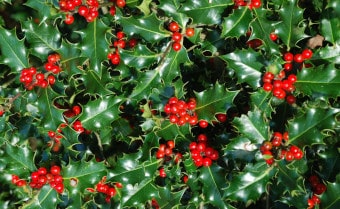
Low Stock
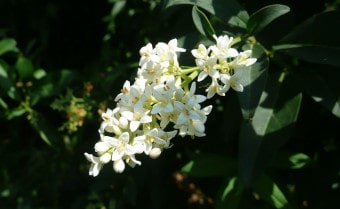
Low Stock
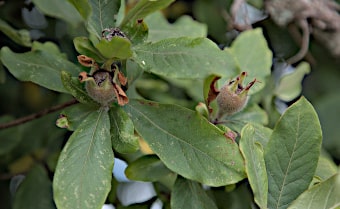
Out of Stock
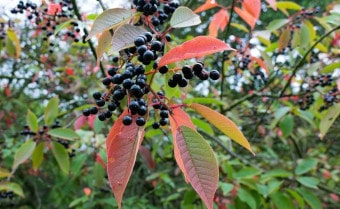
In Stock
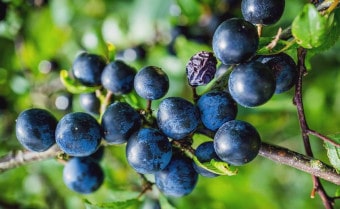
In Stock
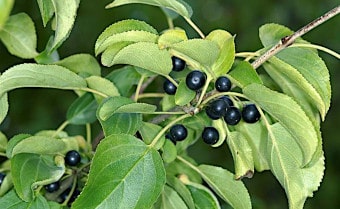
Low Stock
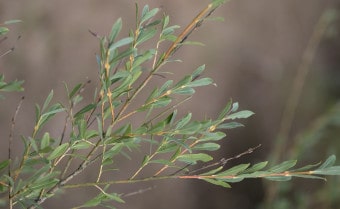
Low Stock
Low Stock
In Stock
In Stock
Your native hedgerow has been successfully added to your shopping cart.
Would you like to enhance your hedgerow with a few larger standard native trees?
Planting an occasional standard tree every 20–30 metres creates future veteran trees, provides blossom and fruit for wildlife, and gives your hedgerow much greater landscape value.
Keep this reference. You can retrieve your planting specification for six months.